
The Ancient Origins of Plastic Surgery
_(contrast)_edited.png)
The word plastic in plastic surgery comes from the Greek plastikos, meaning “able to be shaped or molded.” The name refers to reshaping the body, and the practice itself is far older than modern synthetic plastic.
Some of the earliest recorded reconstructive surgery was performed in ancient India. The surgeon Sushruta, who probably lived sometime during the first millennium BCE, described techniques for rebuilding damaged noses using flaps of a patient’s own skin.
There was practical reason for this expertise. Nose injuries and amputations were not uncommon, and Indian surgeons developed increasingly sophisticated ways to reconstruct them. One method used skin from the forehead while preserving its blood supply, allowing the tissue to survive as it was shaped into a new nose.
Versions of that basic technique are still used in reconstructive surgery today.
Centuries later, similar procedures appeared in Europe. Renaissance surgeons in Italy developed methods for rebuilding noses, and in the early 1800s British surgeon Joseph Constantine Carpue successfully revived the Indian forehead-flap technique after learning about operations performed in India.
The term plastic surgery came into medical use in the 19th century, long before modern synthetic plastics became common.
ADVERTISEMENTS

Premium Bathtub Tray Caddy
Expands from 28.5" to 41"

CeraVe Anti Aging Retinol Serum for Face
Encapsulated Retinol with Hyaluronic Acid

FACTS YOU MIGHT BE INTERESTED IN

HISTORY & INNOVATIONS
Why Were Babies Found in Cabbage Patches?

HISTORY & INNOVATIONS
How Storks Got Into the Baby Business

SCIENCE & NATURE
In New Mexico, Pluto is Still a Planet
HISTORY & INNOVATIONS
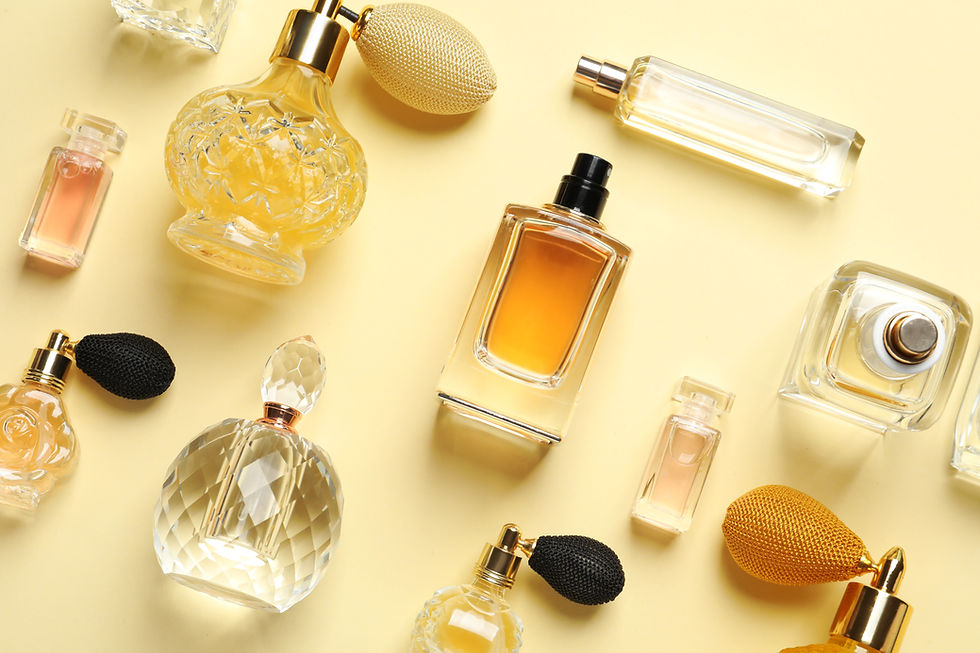
The World's Strangest Perfume Ingredient

FOOD & DRINK
How the Aztecs Turned a Tiny Berry Into a Tomato

SCIENCE & NATURE
Sheep Used to Shed on Their Own. We Bred That Out of Them
ADVERTISEMENT

POPULAR NOW
HISTORY & INNOVATION
The Ancient Origins of Plastic Surgery

FOOD & DRINK
Why is an Eggplant called an Eggplant

FOOD & DRINK
Why Do We Call It "Hair of the Dog"?

SCIENCE & NATURE
The Hidden Superpower of Brass

SCIENCE & NATURE
Why Toddlers Have More Brain Connections Than Adults

SCIENCE & NATURE
Your Eyes Have a Night Shift
ADVERTISEMENT