
What Does a Gila Monster Have to Do With GLP-1 Weight Loss Drugs?
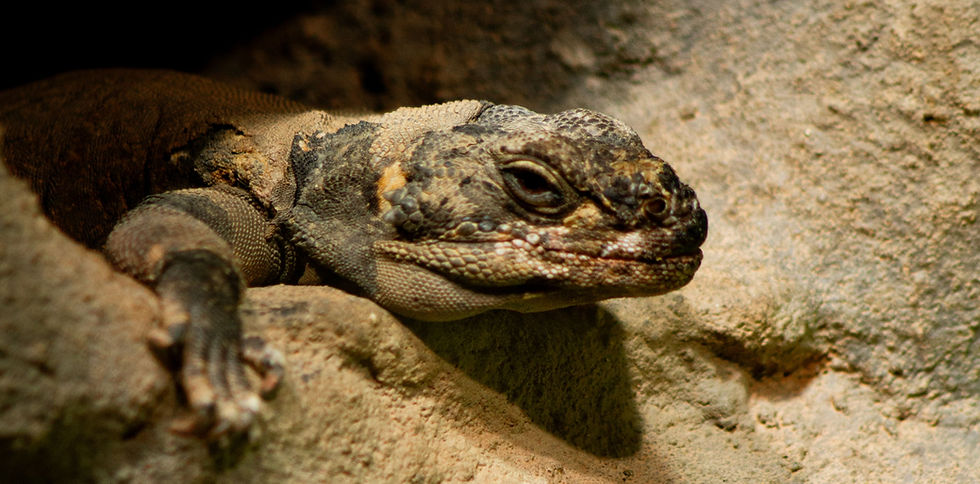
Long before Ozempic and Wegovy became household names, scientists found an important clue to GLP-1 drugs in the venom of a large, slow-moving lizard.
The Gila monster, native to the deserts of the American Southwest and Mexico, can go for long periods without eating. In the early 1990s, researcher John Eng discovered that its venom contained a previously unknown peptide called exendin-4.
Exendin-4 behaved a lot like GLP-1, a hormone produced in the human gut after we eat. GLP-1 signals the pancreas to release insulin when blood sugar rises, slows the emptying of the stomach and helps regulate appetite. But natural human GLP-1 disappears from the bloodstream within minutes because an enzyme rapidly breaks it down.
Exendin-4 had a useful difference: it resisted that enzyme and remained active much longer.
Researchers realized that this unusual lizard peptide might be useful for treating diabetes. A synthetic version of exendin-4 became exenatide, approved by the FDA in 2005 under the brand name Byetta. It was one of the first drugs in the class now known as GLP-1 receptor agonists.
Today's best-known GLP-1 medicines, including semaglutide, the active ingredient in Ozempic and Wegovy, are not made from Gila monster venom. They were engineered separately to mimic human GLP-1 and remain active far longer.
ADVERTISEMENTS

National Geographic Kids Animal Encyclopedia
2,500 Animals with Photos, Maps & More!

The Fascinating Animal Book for Kids
500 Wild Facts

FACTS YOU MIGHT BE INTERESTED IN

HISTORY & INNOVATIONS
Why Were Babies Found in Cabbage Patches?

SCIENCE & NATURE
In New Mexico, Pluto is Still a Planet

FOOD & DRINK
How the Aztecs Turned a Tiny Berry Into a Tomato

SCIENCE & NATURE
Sheep Used to Shed on Their Own. We Bred That Out of Them

PEOPLE
How Will the Next Dalai Lama Be Chosen?

FOOD & DRINK
A Jelly Bean Can Take Weeks to Make
ADVERTISEMENT

POPULAR NOW

HISTORY & INNOVATIONS
The Snowmen of 1511 Were Not for Children

FOOD & DRINK
Why is an Eggplant called an Eggplant

People
She Married a Great Composer. Then Things Got Complicated.

FOOD & DRINK
Why Do We Call It "Hair of the Dog"?

PEOPLE
A 1677 Marriage Helped Create One of Britain’s Great Fortunes

SCIENCE & NATURE
The Hidden Superpower of Brass
ADVERTISEMENT