
Why Do We "Jump on the Bandwagon?

Today, “jumping on the bandwagon” means joining a popular trend, cause or movement, often after it has already attracted plenty of supporters.
Originally, the bandwagon was an actual wagon.
In 19th-century America, traveling circuses paraded through towns to advertise their arrival. Among the elephants, performers and elaborate carriages was a large, brightly decorated wagon carrying the circus band. It was quite literally the band wagon, designed to make noise, attract attention and draw a crowd.
It wasn't long before politics entered the parade.
A popular story connects the political bandwagon with Dan Rice, one of the most famous American circus performers of his day. Rice supported Zachary Taylor in the presidential election of 1848 and reportedly used his circus bandwagon to promote Taylor's campaign.
The story is often cited as the beginning of the political bandwagon, although there isn't enough contemporary evidence to say that Rice or Taylor actually invented the expression.
What is clear is that bandwagons became fixtures of American political campaigns during the 19th century. As a candidate gained momentum, supporters wanted to associate themselves with the apparent winner. Getting “aboard the bandwagon” became a natural metaphor for joining the successful side.
By 1899, Theodore Roosevelt was using the expression figuratively, writing about a politician making sure he was “aboard the band wagon” once he became convinced his candidate would win.
Eventually the phrase escaped politics altogether. We now jump on bandwagons involving fashions, diets, technologies, sports teams and just about anything else that suddenly becomes popular.
The circus wagon has disappeared. The temptation to climb aboard the winning one hasn't.
ADVERTISEMENTS

The Ultimate History Buff Challenge
Over 600 Quiz Questions for Curious History Lovers
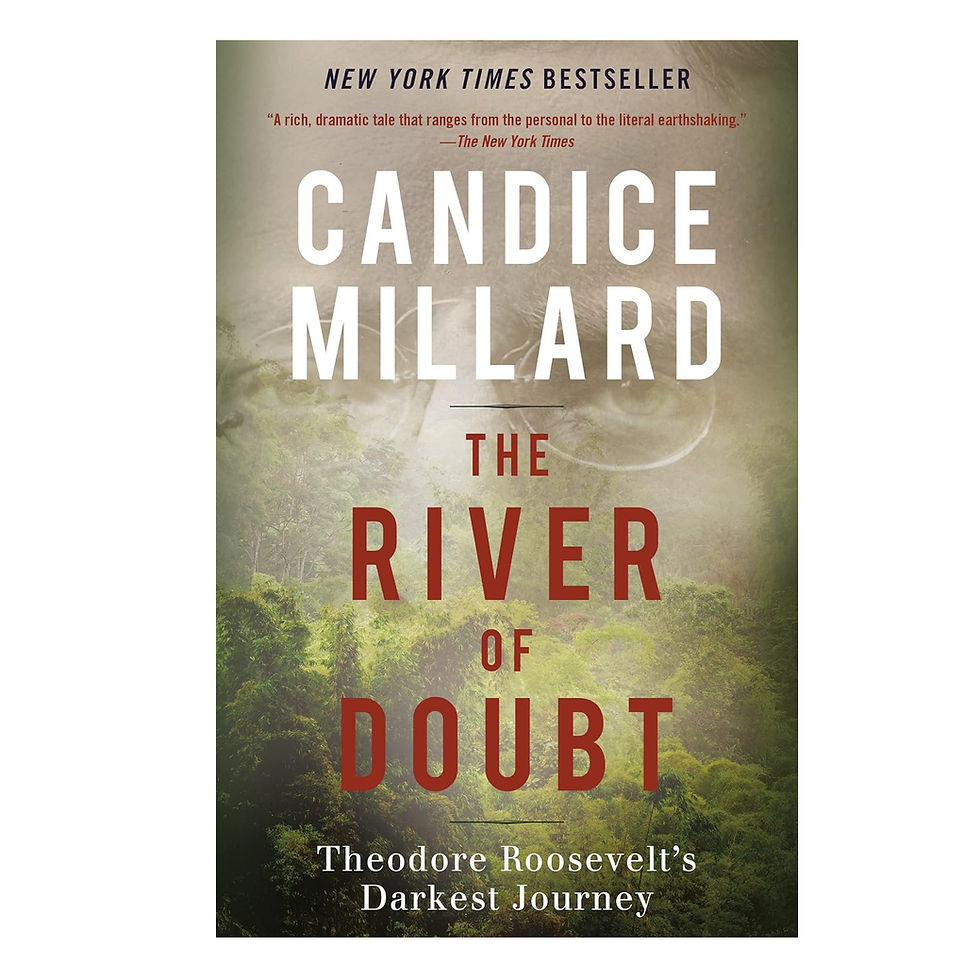
River of Doubt
Theodore Roosevelt's Darkest Journey

FACTS YOU MIGHT BE INTERESTED IN

CURIOUS FACTS
Crows Can Hold Grudges For a Really Long Time

FOOD & DRINK
Crab Rangoon: An Appetizer with an Identity Crisis

HISTORY & INNOVATIONS
When Doctors Prescribed Beards

SCIENCE NATURE
How a Mother’s Bones Help Build Her Baby’s

HISTORY & INNOVATIONS
How Medieval Builders Lifted Stone Into the Sky

HISTORY & INNOVATIONS
Why Were Babies Found in Cabbage Patches?
ADVERTISEMENT

POPULAR NOW

SCIENCE & NATURE
Your Car Has 30 Times More Software Code Than a Boeing 787

FOOD & DRINK
Why Do Cooks Say “Yes, Chef”?

SCIENCE & NATURE
The Secret Chemistry Between Dogs & Humans

ARTS & ENTERTAINMENT
Paul McCartney's Unconscious Act of Genius

PEOPLE
The Economics of Looking Rich

HISTORY & INNOVATION
The Ancient Origins of Plastic Surgery
ADVERTISEMENT