
Why George Washington Walked Away from the Presidency

In 1796, George Washington made a decision that helped shape modern democracy: he voluntarily stepped down after two terms as president.
At the time, there was no constitutional term limit. Washington easily could have remained in office longer, and many Americans wanted him to stay.
But he worried that if a president held power too long, the position could begin to resemble a monarchy or lifetime appointment. The United States had only recently broken away from a king, and Washington understood that the young republic was still fragile.
By leaving office willingly, he established a powerful precedent: the presidency belonged to the country, not to one man.
The peaceful transfer of power that Americans now consider normal was far less common in the 1700s, when many nations were ruled by kings, emperors, or military strongmen.
Washington’s decision became an unwritten two-term tradition that lasted until the presidency of Franklin D. Roosevelt more than 140 years later. After Roosevelt won four elections, the Twenty-second Amendment to the United States Constitution formally limited presidents to two elected terms.
One of the most influential acts of Washington’s presidency may have been his decision to leave it.
ADVERTISEMENTS

Wentworth Pewter
Antique Finish Pewter Tankard

A Short History of Nearly Everything
By Bill Bryson

FACTS YOU MIGHT BE INTERESTED IN

SCIENCE NATURE
How a Mother’s Bones Help Build Her Baby’s
_edited_edited_edited.jpg)
HISTORY & INNOVATIONS
How Medieval Builders Lifted Stone Into the Sky

HISTORY & INNOVATIONS
Why Were Babies Found in Cabbage Patches?

HISTORY & INNOVATIONS
How Storks Got Into the Baby Business

SCIENCE & NATURE
In New Mexico, Pluto is Still a Planet

HISTORY & INNOVATIONS
The World's Strangest Perfume Ingredient
ADVERTISEMENT

POPULAR NOW
_(contrast)_edited.png)
HISTORY & INNOVATION
The Ancient Origins of Plastic Surgery
SCIENCE & NATURE
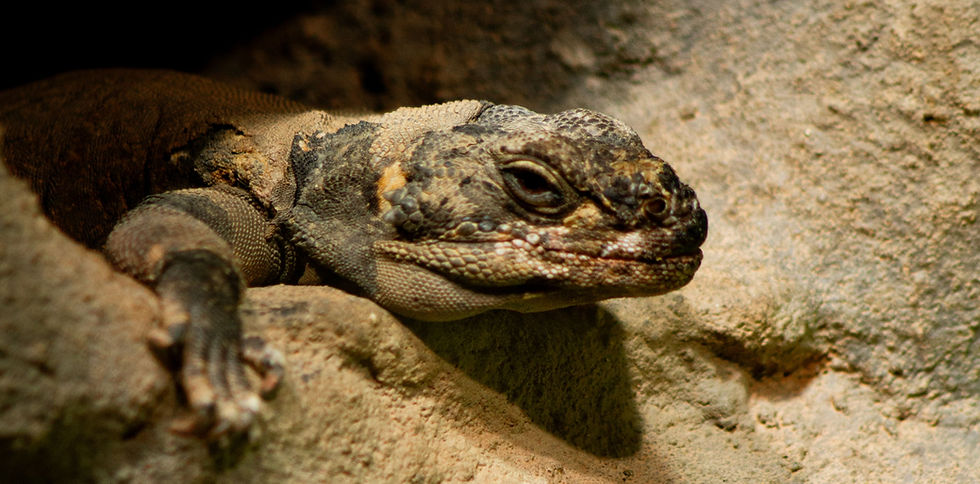
What Does a Gila Monster Have to Do With GLP-1 Weight Loss Drugs?

FOOD & DRINK
Why is an Eggplant called an Eggplant

FOOD & DRINK
Why Do We Call It "Hair of the Dog"?

SCIENCE & NATURE
The Hidden Superpower of Brass

SCIENCE & NATURE
Why Toddlers Have More Brain Connections Than Adults
ADVERTISEMENT