
Artificial Sweetener
The Invention that Changed our Diet

In 1879, chemist Constantin Fahlberg made a sweet mistake at dinner—his bread tasted sugary, but the sweetness was coming from his fingers. He’d unknowingly carried lab chemicals from coal tar back to the table.
Instead of washing up, Fahlberg raced back to the lab and pinpointed the compound: saccharin, the world’s first artificial sweetener. He patented it, and it took off—especially during WWI sugar shortages and later with diabetics and dieters.
Though it faced controversy in the 1970s over cancer concerns, later research cleared it, and saccharin is still sweetening foods today.
ADVERTISEMENTS

FACTS YOU MIGHT BE INTERESTED IN

SCIENCE NATURE
How a Mother’s Bones Help Build Her Baby’s
_edited_edited_edited.jpg)
HISTORY & INNOVATIONS
How Medieval Builders Lifted Stone Into the Sky

HISTORY & INNOVATIONS
Why Were Babies Found in Cabbage Patches?

HISTORY & INNOVATIONS
How Storks Got Into the Baby Business

SCIENCE & NATURE
In New Mexico, Pluto is Still a Planet
HISTORY & INNOVATIONS
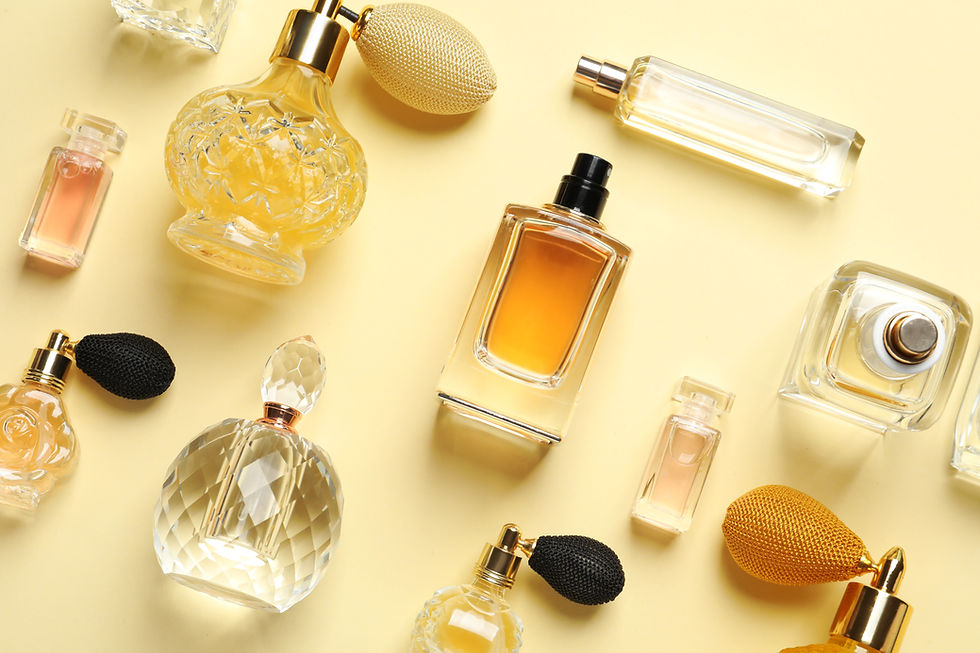
The World's Strangest Perfume Ingredient
ADVERTISEMENT

POPULAR NOW
_(contrast)_edited.png)
HISTORY & INNOVATION
The Ancient Origins of Plastic Surgery

FOOD & DRINK
Why is an Eggplant called an Eggplant

FOOD & DRINK
Why Do We Call It "Hair of the Dog"?

SCIENCE & NATURE
The Hidden Superpower of Brass

SCIENCE & NATURE
Why Toddlers Have More Brain Connections Than Adults

SCIENCE & NATURE
Your Eyes Have a Night Shift
ADVERTISEMENT