
How Humans Engineered Strong Alcohol

How Alcohol Evolved From Weak Drinks to High-Proof Spirits
Prehistory to Antiquity (c. 7000 BCE – 500 CE): Fermentation era
For most of human history, alcohol was naturally limited in strength. Beer and wine were made only by fermentation, and biology imposed a hard ceiling. As alcohol levels rise, yeast activity shuts down, so ancient drinks rarely exceeded low alcohol levels.
Early distillation (8th–12th centuries): Alcohol concentration becomes possible
Distillation was developed in the medieval Islamic world for medical, alchemical, and chemical purposes. The technique allowed alcohol to be separated from water by heating, capturing vapor, and condensing it into liquid. This was the first time high-proof alcohol became technically possible.
European adoption (12th–15th centuries): Spirits enter society
Distillation spread into Europe through medical schools and monasteries. Early spirits such as aqua vitae and brandy appeared, marking the transition from fermented drinks to distilled alcohol.
Industrial transformation (18th–19th centuries): Strength at scale
Mechanized stills and industrial production, including continuous distillation systems, made strong alcohol cheap, standardized, and widely available. Spirits like gin, rum, whiskey, and vodka shifted from rare products to everyday commodities.
Modern precision distillation (20th century–present): Near-pure alcohol
Contemporary distillation technology can separate ethanol to near-pure concentrations. At this point, alcohol strength is no longer limited by biology or technology, only by regulation and market demand.
Alcohol did not evolve gradually. It changed in steps:
fermentation created it,
distillation concentrated it,
industry scaled it, and
modern precision systems perfected control.
ADVERTISEMENTS

Wentworth Pewter
Antique Finish Pewter Tankard

Glencairn Whiskey Glass
Gift Set of 4

FACTS YOU MIGHT BE INTERESTED IN
_edited_edited_edited.jpg)
HISTORY & INNOVATIONS
How Medieval Builders Lifted Stone Into the Sky

HISTORY & INNOVATIONS
Why Were Babies Found in Cabbage Patches?

HISTORY & INNOVATIONS
How Storks Got Into the Baby Business

SCIENCE & NATURE
In New Mexico, Pluto is Still a Planet
HISTORY & INNOVATIONS
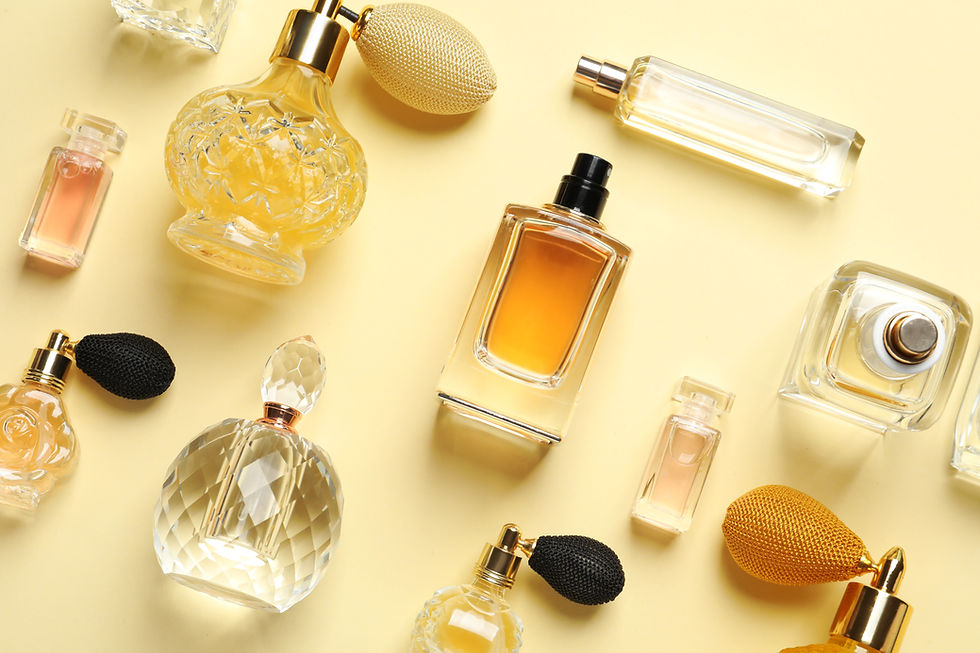
The World's Strangest Perfume Ingredient

FOOD & DRINK
How the Aztecs Turned a Tiny Berry Into a Tomato
ADVERTISEMENT

POPULAR NOW
_(contrast)_edited.png)
HISTORY & INNOVATION
The Ancient Origins of Plastic Surgery

FOOD & DRINK
Why is an Eggplant called an Eggplant

FOOD & DRINK
Why Do We Call It "Hair of the Dog"?

SCIENCE & NATURE
The Hidden Superpower of Brass

SCIENCE & NATURE
Why Toddlers Have More Brain Connections Than Adults

SCIENCE & NATURE
Your Eyes Have a Night Shift
ADVERTISEMENT