
Lottery Odds by the Numbers

The odds of winning a major lottery jackpot, such as Powerball, are about 1 in 292,000,000. Buying multiple tickets slightly improves your chances, but even then, the odds remain extraordinarily long.
To picture that scale, imagine lining up bananas end to end around Earth’s equator. It would take roughly 225 million bananas to make one full loop. Winning the jackpot is like picking one specific banana from a line that would circle the planet and then keep going for thousands more miles.
Lotteries themselves are not modern inventions. The earliest known lottery dates back more than 2,000 years, to China’s Han dynasty around 200 BC, where lottery-style games helped fund public projects. By the 1400s, towns in the Low Countries of Europe were holding public lotteries to pay for walls, bridges, and aid for the poor. Modern government-run lotteries grew from those civic models.
Today, while the odds remain extremely long, many state lotteries direct a portion of their proceeds toward public services such as education, infrastructure, and community programs.
And for many of us, part of the appeal is not the math but the imagination, the brief, harmless exercise of wondering what life might look like if the numbers ever did line up.
ADVERTISEMENTS

Apple AirPods Pro 3 Wireless Earbuds, Active Noise Cancellation, Live Translation, Heart Rate Sensing,
Hearing Aid Feature, Bluetooth Headphones, Spatial Audio, High-Fidelity Sound, USB-C Charging

Aura Carver HD WiFi Digital Picture Frame
Add Photos with Aura App

FACTS YOU MIGHT BE INTERESTED IN

ARTS & ENTERTAINMENT
Why Movie Theaters Started Selling Popcorn

SCIENCE & NATURE
Why Icelandic Kids Go"Puffling Hunting" Each Fall

ARTS & ENTERTAINMENT
The Most Televised Face in History

HISTORY & INNOVATIONS
The Fish That Fed Empires

HISTORY & INNOVATIONS
Why the Middle Finger Is Such an Old Insult

ARTS & ENTERTAINMENT
Homes That Outsmarted the Tax Collector
ADVERTISEMENT

POPULAR NOW
_edited.jpg)
ARTS & ENTERTAINMENT
Famous Descendants of the Mayflower
HISTORY & INNOVATIONS
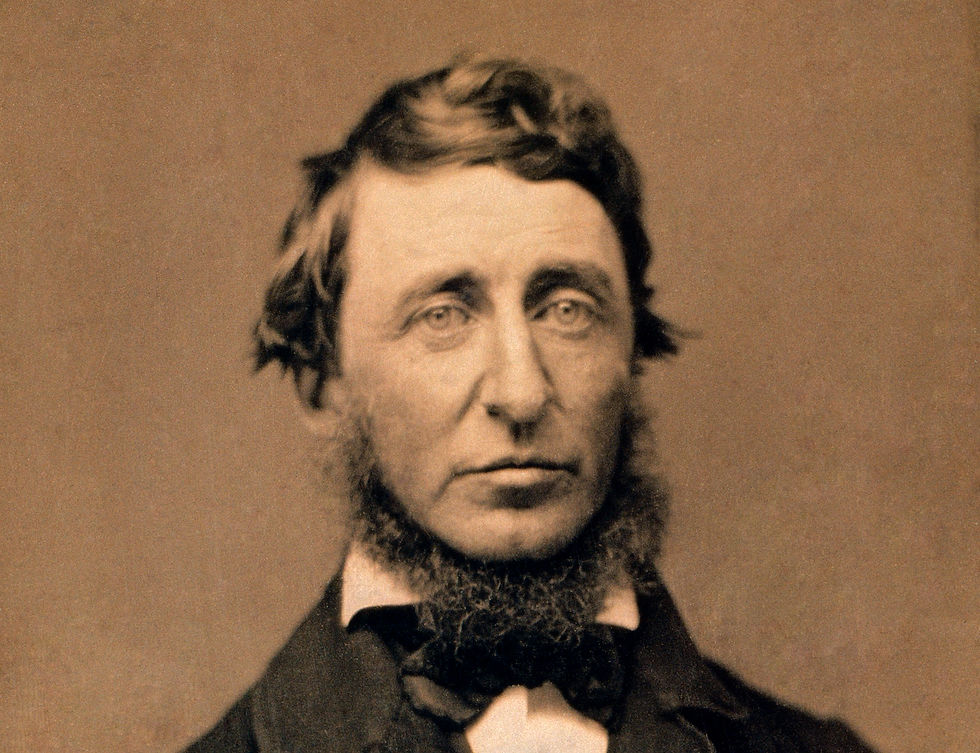
Thoreau Lived at Walden, But His Mother Still Did the Laundry

ARTS & ENTERTAINMENT
The Man Behind Robin Williams, Orson Welles and an Oscar

SCIENCE & NATURE
Some Cells in Your Body May Come From Another Person

SCIENCE & NATURE
Your Water is Billions of Years Older Than You Think

SCIENCE & NATURE
Why You Forget Why You Walked Into A Room
ADVERTISEMENT