
Some Beauty Marks Were Made of Mouse Fur

Long before cosmetic surgery or social media filters, fashionable Europeans were creating their own version of the perfect complexion.
Beginning in the late 1600s and reaching the height of fashion in the 1700s, women and men at royal courts wore tiny black beauty patches, also known by the French name mouches, meaning "flies." Made from black silk, velvet, satin, or taffeta, the patches created the illusion of a perfectly placed beauty mark against the pale white complexion that was considered the height of elegance.
Not every patch was made from fabric. Some were cut from the thin, dark skin of a mouse, complete with its fine fur. The material was flexible, lightweight, and convincing enough to resemble a natural mole.
Beauty patches were fashionable, but they were also practical. Smallpox left many people with permanent facial scars, and the tiny patches provided an elegant way to conceal blemishes while drawing attention to the eyes, lips, or cheeks.
The patches came in far more than simple circles. Fashionable shapes included stars, crescents, hearts, diamonds, and tiny moons. Some people wore several at once, turning their faces into carefully arranged works of art.
Beauty patches are often said to have sent a secret message, with one position signaling flirtation and another expressing romance or discretion. While certain placements did become associated with particular qualities, historians have found little evidence that everyone followed a fixed code. More often, patches were placed wherever they best enhanced the wearer's features or balanced the overall look.
ADVERTISEMENTS

French Blooms: Floral Arrangements
Inspired by Paris and Beyond

Garnier Thiebaut French Jacquard
Kitchen Towel

FACTS YOU MIGHT BE INTERESTED IN

SCIENCE NATURE
How a Mother’s Bones Help Build Her Baby’s
_edited_edited_edited.jpg)
HISTORY & INNOVATIONS
How Medieval Builders Lifted Stone Into the Sky

HISTORY & INNOVATIONS
Why Were Babies Found in Cabbage Patches?

HISTORY & INNOVATIONS
How Storks Got Into the Baby Business

SCIENCE & NATURE
In New Mexico, Pluto is Still a Planet
HISTORY & INNOVATIONS
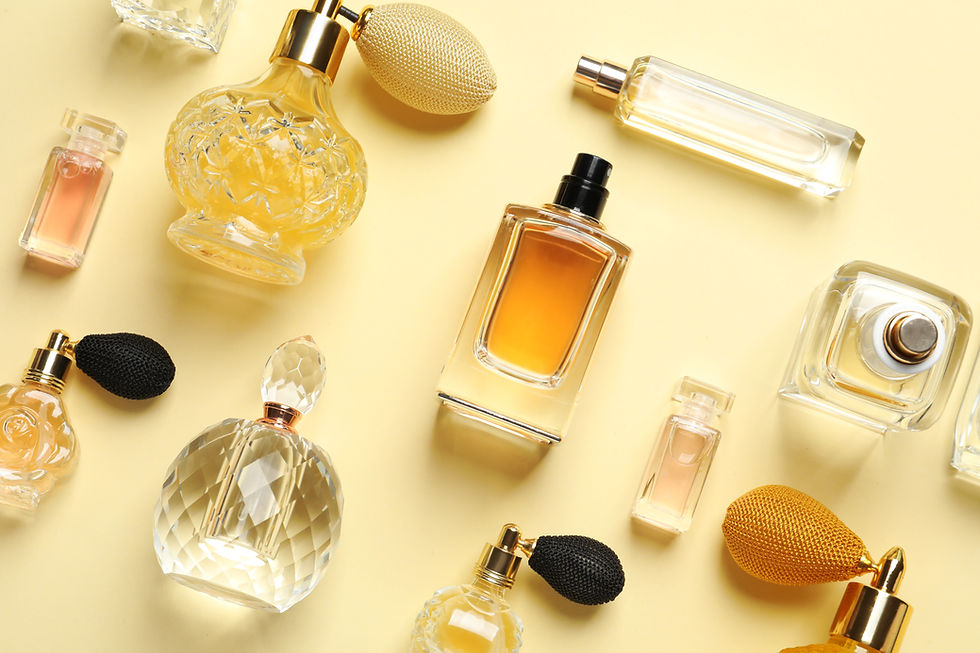
The World's Strangest Perfume Ingredient
ADVERTISEMENT

POPULAR NOW
_(contrast)_edited.png)
HISTORY & INNOVATION
The Ancient Origins of Plastic Surgery

FOOD & DRINK
Why is an Eggplant called an Eggplant

FOOD & DRINK
Why Do We Call It "Hair of the Dog"?

SCIENCE & NATURE
The Hidden Superpower of Brass

SCIENCE & NATURE
Why Toddlers Have More Brain Connections Than Adults

SCIENCE & NATURE
Your Eyes Have a Night Shift
ADVERTISEMENT