
The Artist Rembrandt Van Rijn
Went Bankrupt in 1656

Rembrandt van Rijn, the Dutch Baroque master, is celebrated for his brilliant use of light, shadow, and psychological depth. But beyond the technique lies a life full of fascinating quirks and contradictions.
The Selfie King of the 1600s
Rembrandt painted more self-portraits than any artist of his time, nearly 100 in total. These works chart his life from a bold young man to a reflective elder. He did not just paint what he saw; he played with identity, portraying himself as a beggar, a nobleman, and a philosopher. For Rembrandt, the face was a lifelong experiment.
A Flair for the Dramatic
His mastery of chiaroscuro, the stark interplay of light and shadow, gave his paintings theatrical intensity. The Night Watch showcases this beautifully, with bright figures emerging from deep shadows, pulling viewers into the action.
Brilliance, Not Budgeting
Though widely admired, Rembrandt struggled with finances. He lived extravagantly, collecting costumes and curiosities, and often painted in fine clothes. Bankruptcy came in 1656, yet some of his most emotional works, like The Jewish Bride, were created during this period of hardship.
Buried Without a Name
Despite his fame, Rembrandt died poor in 1669 and was buried in an unmarked grave in Amsterdam’s Westerkerk. The site was later reused, and his exact resting place remains unknown.
ADVERTISEMENTS

The Louvre: The History, The Collections,
The Architecture

Stealing Rembrandts: The Untold Stories of
Notorious Art Heists

FACTS YOU MIGHT BE INTERESTED IN

SCIENCE NATURE
How a Mother’s Bones Help Build Her Baby’s
_edited_edited_edited.jpg)
HISTORY & INNOVATIONS
How Medieval Builders Lifted Stone Into the Sky

HISTORY & INNOVATIONS
Why Were Babies Found in Cabbage Patches?

HISTORY & INNOVATIONS
How Storks Got Into the Baby Business

SCIENCE & NATURE
In New Mexico, Pluto is Still a Planet
HISTORY & INNOVATIONS
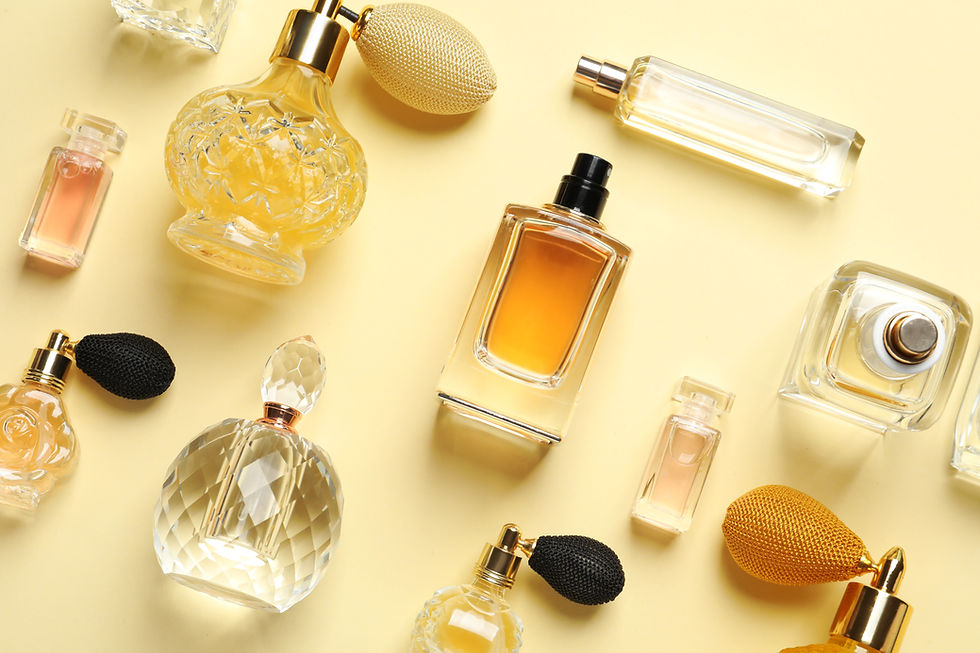
The World's Strangest Perfume Ingredient


POPULAR NOW
_(contrast)_edited.png)
HISTORY & INNOVATION
The Ancient Origins of Plastic Surgery

FOOD & DRINK
Why is an Eggplant called an Eggplant

FOOD & DRINK
Why Do We Call It "Hair of the Dog"?

SCIENCE & NATURE
The Hidden Superpower of Brass

SCIENCE & NATURE
Why Toddlers Have More Brain Connections Than Adults

SCIENCE & NATURE
Your Eyes Have a Night Shift
ADVERTISEMENT