
The Fish That Changed History
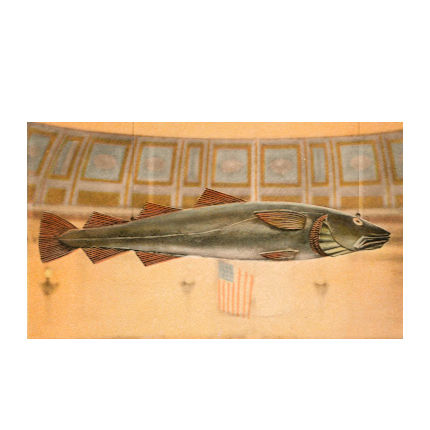
For centuries, cod was far more than a meal. It was one of the most important forces shaping exploration, trade, and entire coastal economies.
Long before the Age of Exploration was officially underway, European fishermen were already crossing the North Atlantic in search of cod. The waters off Newfoundland and New England were so rich that early accounts describe fish packed so tightly boats struggled to move through them. Cod could be caught in enormous quantities, preserved with salt, and stored for months without spoiling. That combination changed everything.
Salted cod became the backbone of Atlantic trade. It fed sailors on long voyages, sustained growing European cities, and supplied plantation economies in the Caribbean. In New England, cod profits helped finance ships, ports, and early industry. A single species quietly connected Europe, Africa, the Americas, and the Caribbean into a vast economic web.
The fish seemed inexhaustible. For generations, people assumed the supply would last forever. That belief collapsed in the late twentieth century when overfishing caused cod populations to crash dramatically. In 1992, Canada closed its northern cod fishery, putting tens of thousands of people out of work almost overnight. Many stocks have never fully recovered.
Today, cod remains a powerful symbol. In Massachusetts, the carved wooden Sacred Cod still hangs in the State House, a reminder of the fish that once shaped regional identity and global history. What was once seen as endless abundance now stands as a lesson in how quickly natural wealth can disappear.
ADVERTISEMENTS

Muck Men's Tall Arctic Boots
Waterproof, Keeps Feet Warm

Underwater Scooter
Black & Red Special Version by Subnado

FACTS YOU MIGHT BE INTERESTED IN

FOOD & DRINK
How the Aztecs Turned a Tiny Berry Into a Tomato

SCIENCE & NATURE
Sheep Used to Shed on Their Own. We Bred That Out of Them

PEOPLE
How Will the Next Dalai Lama Be Chosen?

SCIENCE & NATURE
The Surprising Way Children Shape Adult Brains

HISTORY & INNOVATIONS
You May Be Related to Charlemagne

SCIENCE & NATURE
Your Fingers Don't Contain a Single Muscle
ADVERTISEMENT

POPULAR NOW

FOOD & DRINK
Why Do We Call It "Hair of the Dog"?

PEOPLE
A 1677 Marriage Helped Create One of Britain’s Great Fortunes
.jpg)
HISTORY
The Storming of the Bastille Wasn't Really About Freeing Prisoners

SCIENCE & NATURE
The Hidden Superpower of Brass

SCIENCE & NATURE
Your Eyes Have a Night Shift

SCIENCE & NATURE
Why Time Seems to Fly or Slow Down
ADVERTISEMENT