
Victorian Fashion Takes Flight
Hats with Feathers and Entire Birds!

When it came to fashion, the Victorians didn’t do things halfway—especially when it came to hats. During the late 19th century, women’s hats became increasingly elaborate, and one of the most striking trends to take off (pun intended) was decorating hats with bird feathers, and, in some cases, entire birds!
How Did This Feathered Fashion Begin?
The trend started to soar in the 1870s and 1880s as hats became larger and more extravagant. As industrialization brought mass production to fashion, milliners (hatmakers) began to experiment with exotic materials, and nothing caught people’s attention quite like the plumage of exotic birds. Soon, fashionable women were flocking to buy hats adorned with ostrich plumes, peacock feathers, and even whole taxidermied birds!
It wasn’t just about making a statement—it was also a sign of status. The more exotic and rare the feathers or bird on your hat, the higher your social standing. Women strolled through parks or attended parties with entire wings, heads, or fully stuffed birds perched atop their heads, turning their hats into miniature wildlife displays.
Why Birds?
The fascination with birds and feathers likely stemmed from the Victorian love for nature. The era saw a rise in natural history, and the influence of exploration brought back fascinating specimens from far-off lands. Birds were seen as symbols of beauty, grace, and exoticism, making them perfect adornments for fashion-conscious women. Wearing a bird on your hat was a way of bringing a little bit of the wild into the high society of the city.
A Turning Point: The Conservation Backlash
As the trend spread, the impact on bird populations became devastating. Some species were hunted to the brink of extinction just to supply the demand for fashionable hats. By the 1890s, conservationists and animal lovers started to fight back. Groups like the Audubon Society in the U.S. were formed, and they began campaigns to stop the senseless killing of birds for fashion.
The movement gained steam, and by the early 1900s, laws were passed to protect birds from being hunted for their feathers. The trend slowly began to fade, and women’s hats took on a more restrained, feather-free look.
ADVERTISEMENTS

FACTS YOU MIGHT BE INTERESTED IN

SCIENCE NATURE
How a Mother’s Bones Help Build Her Baby’s
_edited_edited_edited.jpg)
HISTORY & INNOVATIONS
How Medieval Builders Lifted Stone Into the Sky

HISTORY & INNOVATIONS
Why Were Babies Found in Cabbage Patches?

HISTORY & INNOVATIONS
How Storks Got Into the Baby Business

SCIENCE & NATURE
In New Mexico, Pluto is Still a Planet
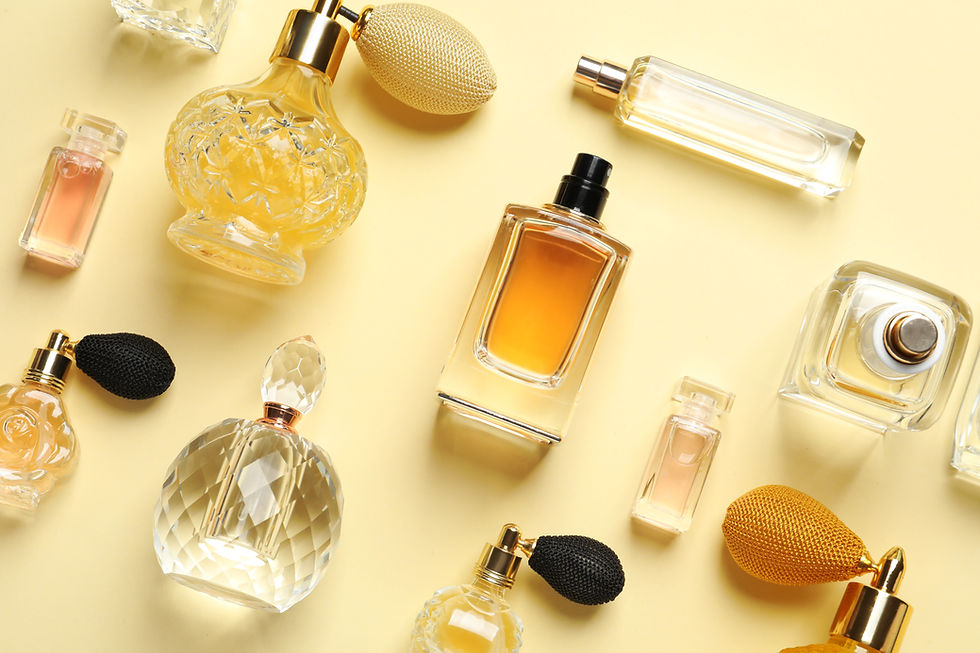
HISTORY & INNOVATIONS
The World's Strangest Perfume Ingredient
ADVERTISEMENT

POPULAR NOW
_(contrast)_edited.png)
HISTORY & INNOVATION
The Ancient Origins of Plastic Surgery
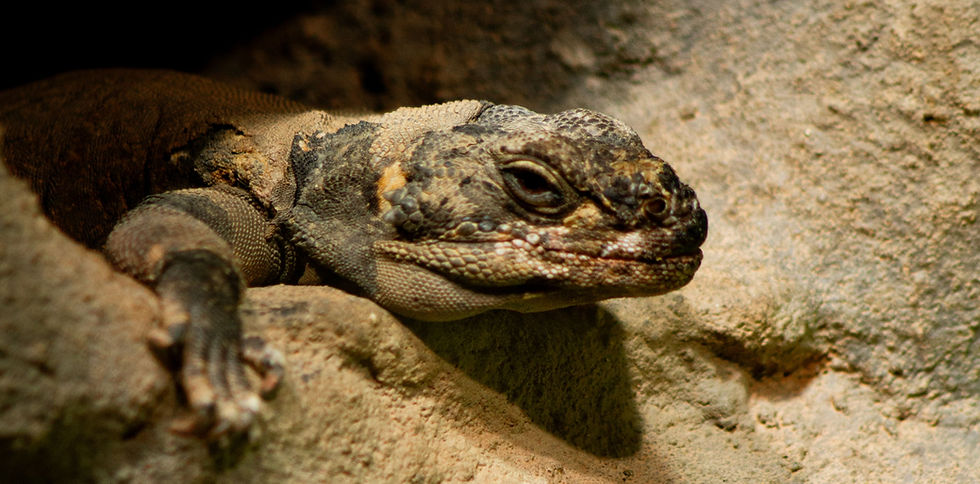
SCIENCE & NATURE
What Does a Gila Monster Have to Do With GLP-1 Weight Loss Drugs?

FOOD & DRINK
Why is an Eggplant called an Eggplant

FOOD & DRINK
Why Do We Call It "Hair of the Dog"?

SCIENCE & NATURE
The Hidden Superpower of Brass

SCIENCE & NATURE
Why Toddlers Have More Brain Connections Than Adults
ADVERTISEMENT