
Why Paris Became the Center of the Art World

In the late 1800s and early 1900s, Paris became the natural gathering place for artists and writers from across Europe and the United States. It offered what few cities could: cheap living, open social norms, a café scene built for long conversations, and an art world that welcomed experimentation. For young creatives, it was a place where you could live cheaply and take big swings.
A few key figures helped the circle grow. Gertrude Stein’s apartment at 27 Rue de Fleurus became a hub for Picasso, Matisse, Hemingway, Fitzgerald, and other rising voices. Stein introduced newcomers to the artists who already defined the scene, and her weekly gatherings gave the community a shared center of gravity.
Art schools like the Académie Julian and the École des Beaux-Arts pushed bold new approaches, training students who later shaped Impressionism, Post-Impressionism, and modern art.
Affordable studios in Montmartre and Montparnasse attracted painters such as Modigliani, Chagall, and Soutine, while the cafés along Boulevard du Montparnasse gave writers like Ezra Pound, James Joyce, and Ernest Hemingway a place to trade ideas daily.
Low costs, open-mindedness, and a handful of powerful connectors turned Paris into one of the most influential creative hotspots in history.
ADVERTISEMENTS

French Chateau Style:
Inside France's Most Exquisite Private Homes

Women's French Beret
Solid Color Classic Hat

FACTS YOU MIGHT BE INTERESTED IN

ARTS & ENTERTAINMENT
Why Movie Theaters Started Selling Popcorn

SCIENCE & NATURE
Why Icelandic Kids Go"Puffling Hunting" Each Fall

ARTS & ENTERTAINMENT
The Most Televised Face in History

HISTORY & INNOVATIONS
The Fish That Fed Empires

HISTORY & INNOVATIONS
Why the Middle Finger Is Such an Old Insult

ARTS & ENTERTAINMENT
Homes That Outsmarted the Tax Collector
ADVERTISEMENT

POPULAR NOW
_edited.jpg)
ARTS & ENTERTAINMENT
Famous Descendants of the Mayflower
HISTORY & INNOVATIONS
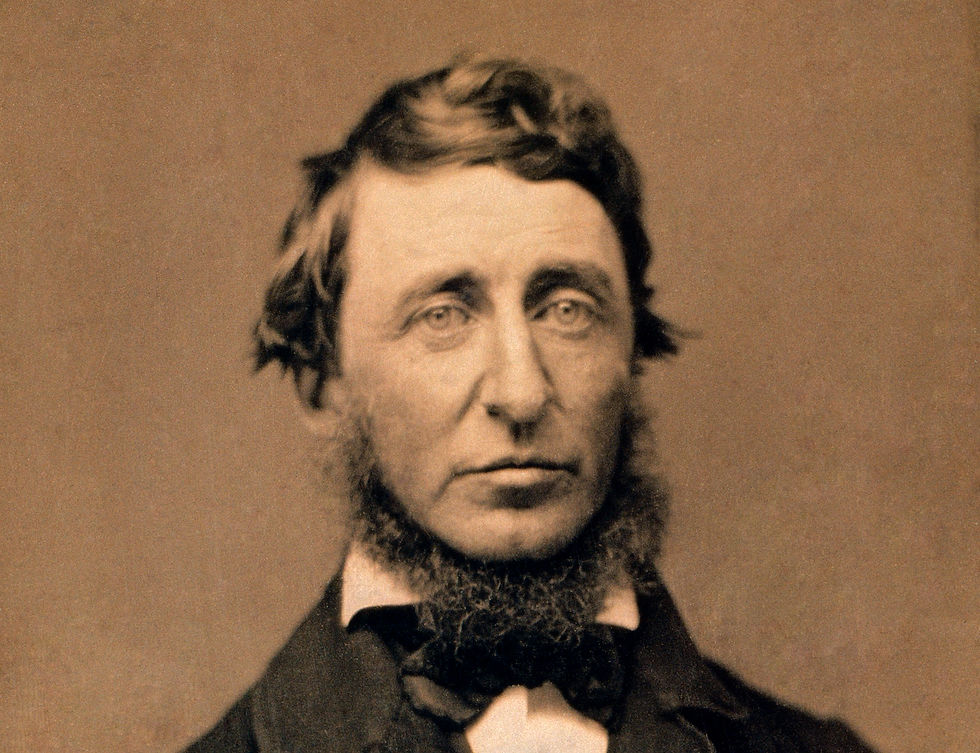
Thoreau Lived at Walden, But His Mother Still Did the Laundry

ARTS & ENTERTAINMENT
The Man Behind Robin Williams, Orson Welles and an Oscar

SCIENCE & NATURE
Some Cells in Your Body May Come From Another Person

SCIENCE & NATURE
Your Water is Billions of Years Older Than You Think

SCIENCE & NATURE
Why You Forget Why You Walked Into A Room
ADVERTISEMENT