
Fireflies Have More Going On Than You Think

In some forests, thousands of fireflies flash in perfect unison.
For several seconds, an entire hillside may light up at once. Then everything goes dark. Moments later, the insects flash together again, creating waves of light that ripple through the trees.
Scientists believe this synchronized flashing helps males attract females more effectively. Instead of competing with one another, the insects briefly become part of a glowing chorus.
Not all fireflies synchronize their flashes. More than 2,000 species exist worldwide, and many use distinctive flash patterns to communicate. A male may flash while flying, and a female of the same species responds from the grass or a nearby branch.
The display becomes even more surprising when you consider that adult fireflies have little time to waste. Most fireflies spend one to two years as larvae, but many adults live only a few weeks. Some species do not feed at all as adults, while others eat very little. Their brief adult lives are focused primarily on finding a mate and reproducing.
Some female fireflies add a darker twist. Females of certain predatory species imitate the flash signals of other fireflies, luring unsuspecting males closer. What looks like courtship can become an ambush.
The chemistry behind the glow is just as interesting as the display itself. Fireflies produce light through a chemical reaction involving an enzyme called luciferase that converts nearly all of its energy into light rather than heat.
That same enzyme has become an important tool for scientists. Researchers use luciferase to help track cells, monitor biological processes, and study diseases, allowing them to observe events that would otherwise be difficult to see.
For many fireflies, those few weeks of summer are the only chance they will ever have to find a mate. Every flash matters.
ADVERTISEMENTS

The Very Lonely Firefly (Board Book) by Eric Carle

The Grouchy Ladybug
Illustrated Board Book

FACTS YOU MIGHT BE INTERESTED IN

HISTORY & INNOVATIONS
How a Simple Chinese Invention Mulitiplied Human Strength

HISTORY & INNOVATIONS
Before Photo IDs, Your Reputation Was Often Your Identification.

ARTS & ENTERTAINMENT
The Secret Business Behing Huge TV Jackpots

GEOGRAPHY
Belgium Has Fishermen Who Still Catch Fish On Horseback

FOOD & DRINK
Cod, Scrod, and Pollock: What You Are Actually Eating

ARTS & ENTERTAINMENT
Why Movie Theaters Started Selling Popcorn
ADVERTISEMENT

POPULAR NOW

SCIENCE & NATURE
Spooky Action From Space

ARTS & ENTERTAINMENT
Why Is the Ace of Spades So Fancy?
LITERATURE
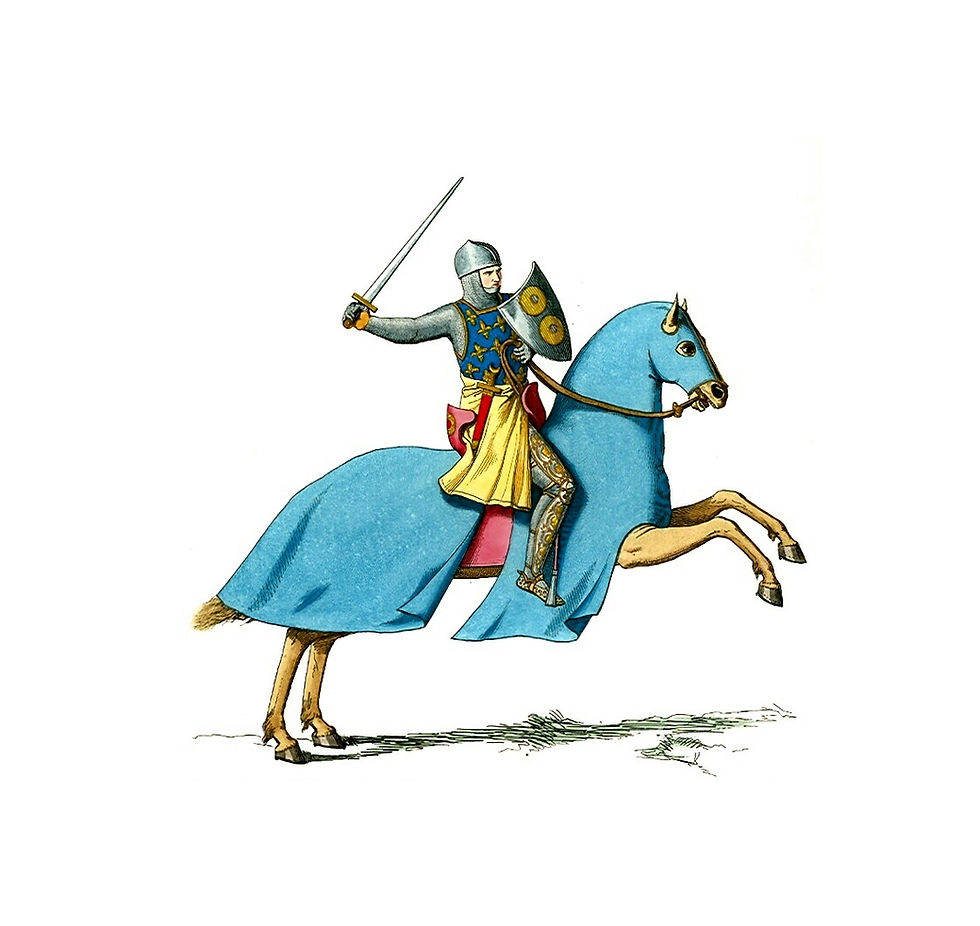
Why Does Knight have a K and Night have a GH?
_edited_edited.jpg)
HISTORY & INNOVATIONS
NASA Helped Put Space Technology in Your House

SCIENCE & NATURE
Why are People Ticklish?

HISTORY & INNOVATIONS
One of Britain's Royal Crowns Contains a Gold-Plated Ping-Pong Ball
ADVERTISEMENT