
Thoreau Lived at Walden, But His Mother Still Did the Laundry
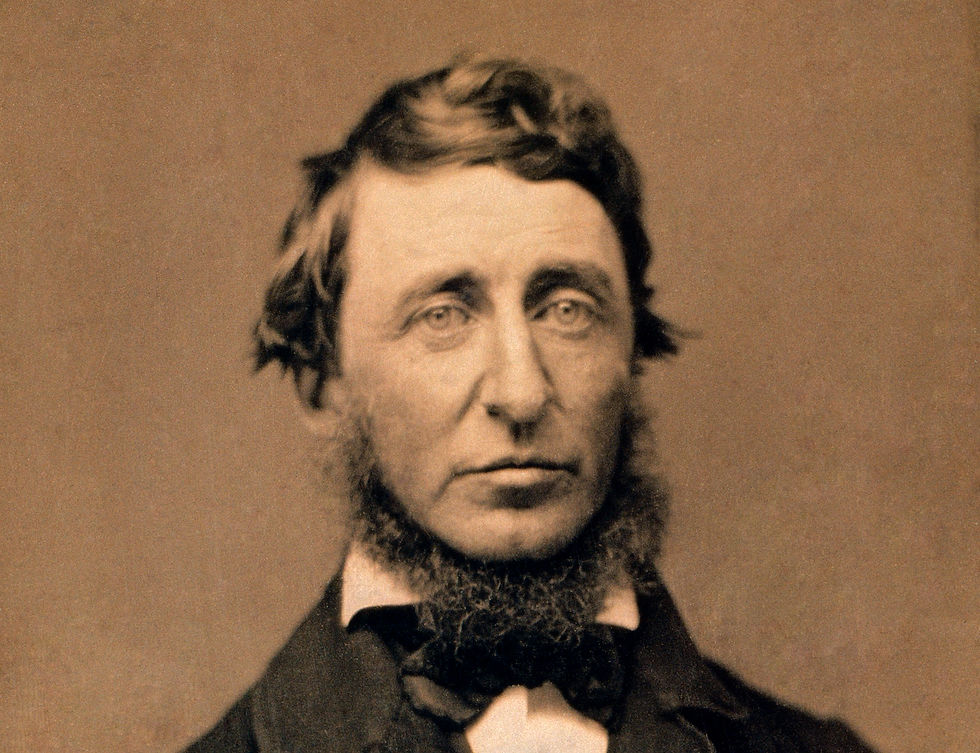
When Henry David Thoreau moved into his small cabin by Walden Pond in 1845, he was not trying to disappear into the wilderness.
The one-room cabin stood only about a mile and a half from the center of Concord, close enough for an easy walk into town. Built on land owned by Ralph Waldo Emerson, it became the setting for one of the most famous experiments in simple living in American literature.
Thoreau grew beans and vegetables, chopped wood, cooked for himself, and carefully recorded what everything cost. But he was never fully cut off from the world. He walked into Concord regularly, visited friends and family, and is widely said to have had his laundry done by his mother.
He also supported himself through work. Thoreau earned money from writing, giving lectures, surveying land, and helping with his family’s pencil business. The cabin was not an attempt at total self-sufficiency in the survivalist sense.
His real goal was more philosophical than practical: to find out how little a person truly needed in order to live thoughtfully and deliberately.
In Walden, he treated daily life almost like an experiment, asking how much of what people call necessity is actually just habit, expectation, or noise.
Less wilderness exile, more intentional reset.
That question still feels strikingly modern.
ADVERTISEMENTS

Sabzi: Vibrant Vegetarian Recipes, One of the Best Cookbooks of the Year for 2025
By Yasmin Khan

100 Hikes of a Lifetime
The World's Ultimate Scenic Trails

FACTS YOU MIGHT BE INTERESTED IN

HISTORY & INNOVATIONS
When Doctors Prescribed Beards

SCIENCE NATURE
How a Mother’s Bones Help Build Her Baby’s
_edited_edited_edited.jpg)
HISTORY & INNOVATIONS
How Medieval Builders Lifted Stone Into the Sky

HISTORY & INNOVATIONS
Why Were Babies Found in Cabbage Patches?

HISTORY & INNOVATIONS
How Storks Got Into the Baby Business

SCIENCE & NATURE
In New Mexico, Pluto is Still a Planet
ADVERTISEMENT

POPULAR NOW

PEOPLE
The Economics of Looking Rich
_(contrast)_edited.png)
HISTORY & INNOVATION
The Ancient Origins of Plastic Surgery
SCIENCE & NATURE
What Does a Gila Monster Have to Do With GLP-1 Weight Loss Drugs?

FOOD & DRINK
Why is an Eggplant called an Eggplant

FOOD & DRINK
Why Do We Call It "Hair of the Dog"?

SCIENCE & NATURE
The Hidden Superpower of Brass
ADVERTISEMENT